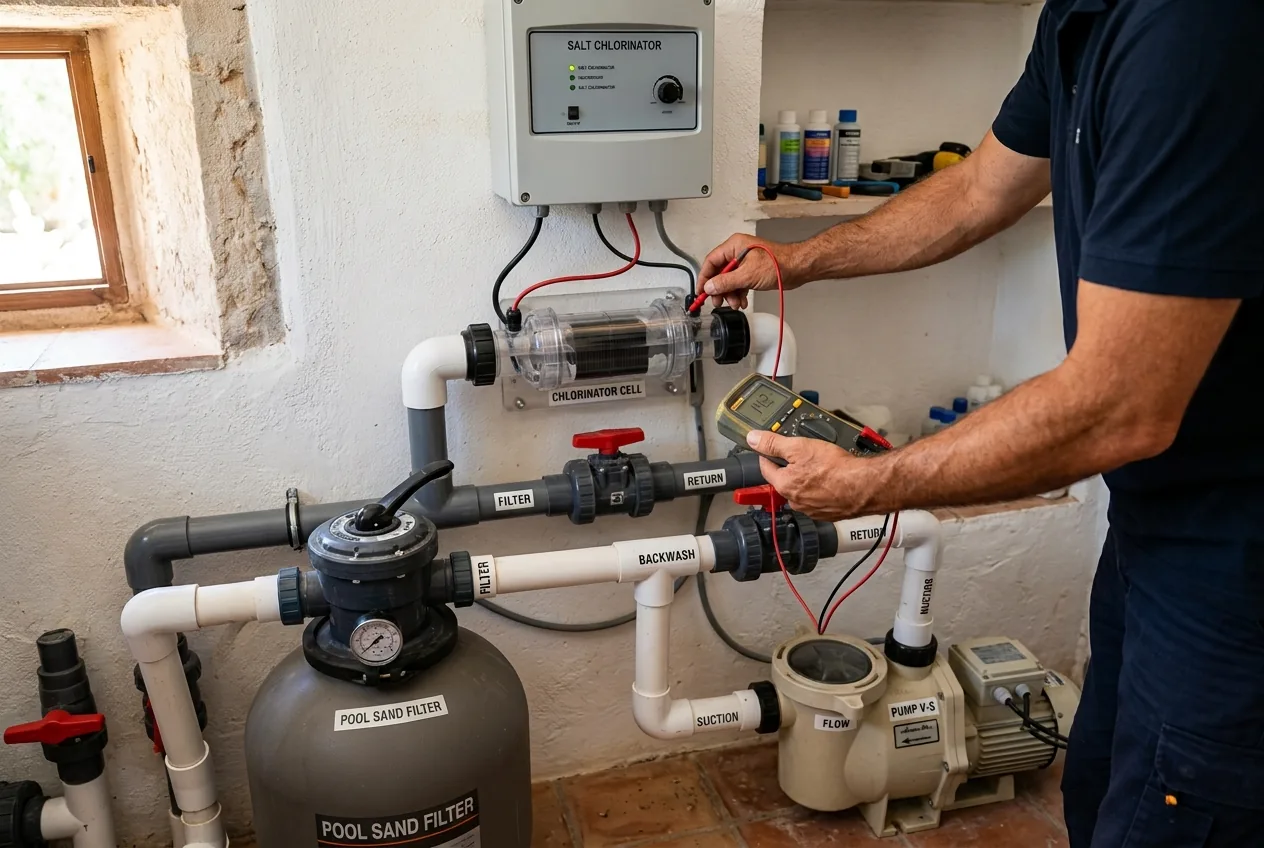
When a salt chlorinator stops producing chlorine in Mallorca, the cause is usually one of seven things: a scaled cell, low salt, poor water flow, high pH, cold water, a worn-out cell or a fault in the control unit. Several of these you can check yourself in a few minutes. Hard, calcium-rich water makes scaling the most common culprit on the island, so it is the first place to look.
Quick checks before calling a technician
Before you book a visit, run through these owner checks. They solve a surprising number of problems:
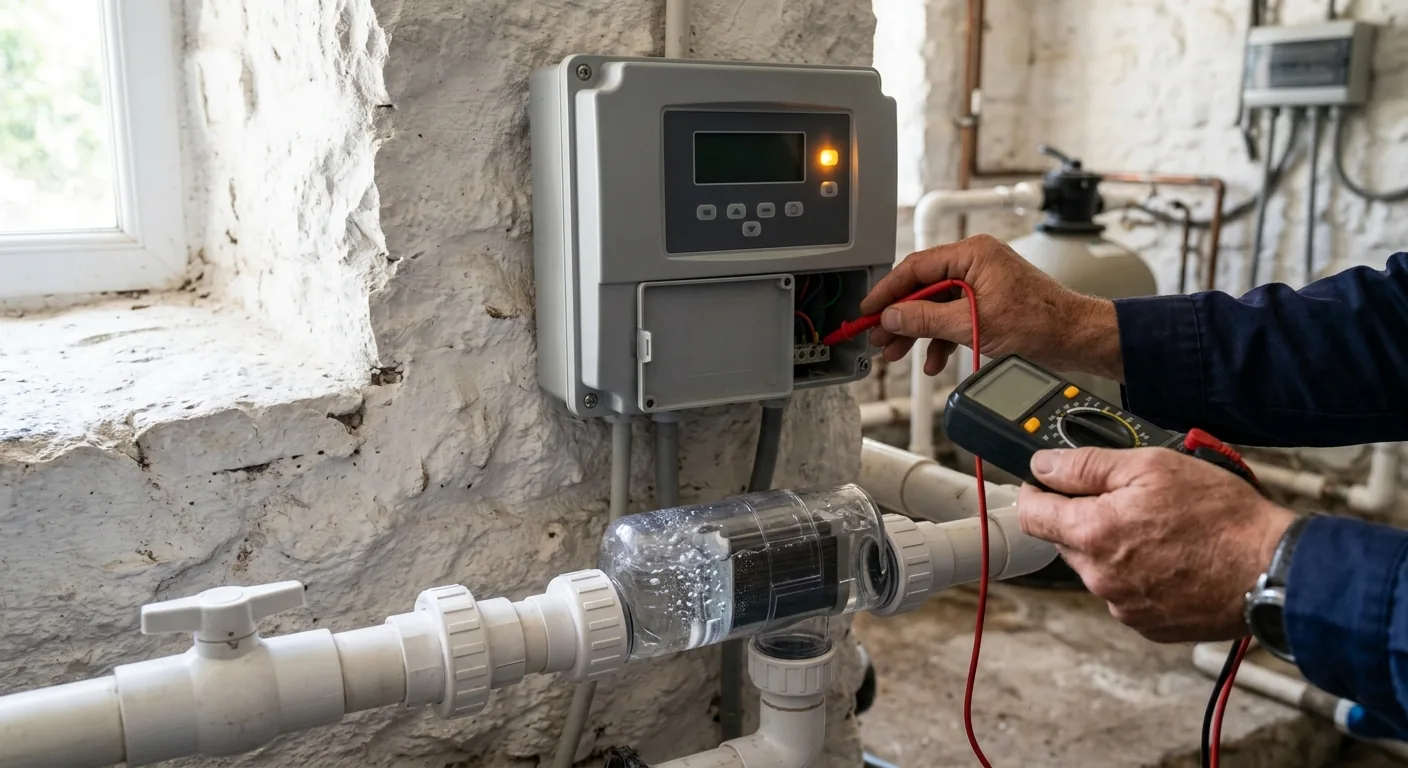
- Look at the display: note any warning light or error message such as low salt, no flow or check cell
- Make sure the pump is running and the filter is not clogged, and backwash if the pressure is high
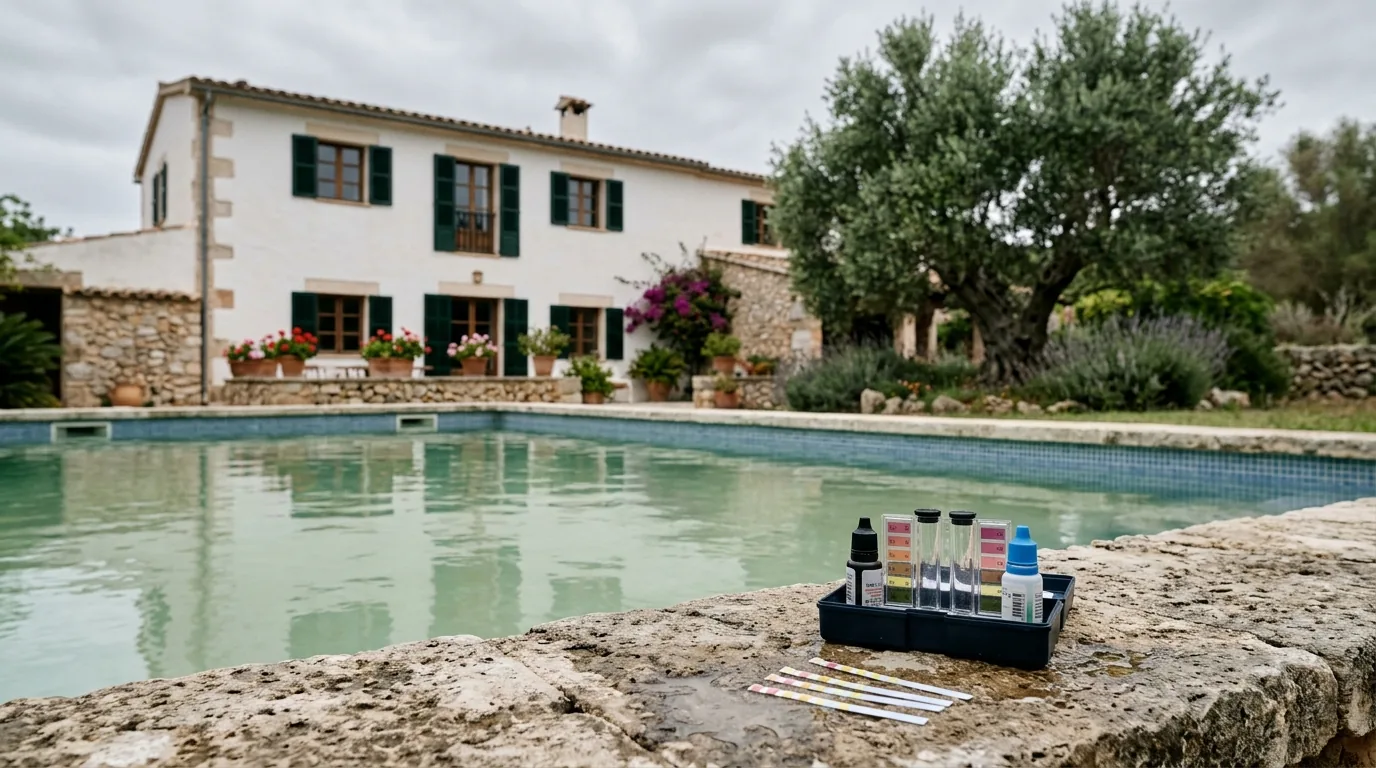
- Test salt level, pH and free chlorine with strips or a test kit
- Check that the chlorinator is switched on and the output percentage has not been turned down
- Inspect the cell through its transparent housing, if it has one, for white crust on the plates
- Confirm the timer gives the pump enough running hours for the season
If everything looks normal and chlorine is still low, one of the causes below is likely.
Causes 1 and 2: scaled cell and low salt
Cause 1, a scaled cell. Mallorca's tap and well water is hard, and the electrolysis process encourages calcium to deposit on the titanium plates inside the cell. A layer of white scale insulates the plates and chlorine production drops, sometimes to almost nothing. Many units have self-cleaning polarity reversal, but in hard water this rarely keeps the cell fully clean. The fix is to remove the cell and clean it, usually with a mild acid solution following the manufacturer's instructions, or to have a technician do it.
Cause 2, low salt. A salt chlorinator needs salt in the water within the range the manufacturer specifies, typically several grams per litre. Salt is not consumed by the process, but it is lost through backwashing, splash-out, overflow after heavy rain and topping up with fresh water. Most units show a low salt warning and reduce or stop output. Test the salt level, add pool salt as needed, let the pump circulate it, and test again. Note that a scaled cell can also trigger a false low salt reading.
Causes 3 and 4: low water flow and high pH
Cause 3, low water flow or a faulty flow switch. For safety, the cell only works when water is flowing through it, detected by a flow switch or gas sensor. A clogged skimmer basket, dirty pump strainer, blocked filter, closed valve or air in the system can all reduce flow enough to stop production. Sometimes the flow switch itself is stuck or faulty. Clean the baskets, backwash the filter, check the valve positions and see whether the no flow warning clears.
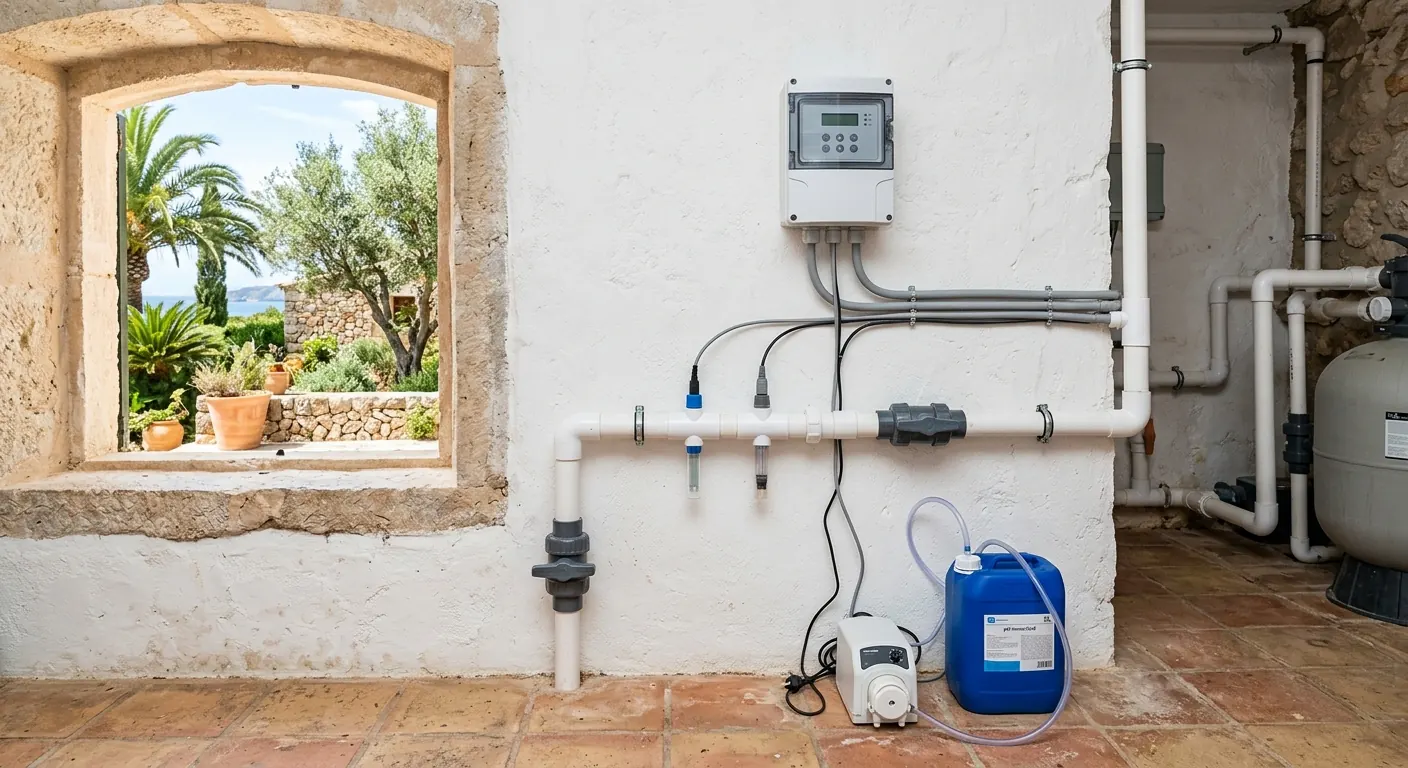
Cause 4, pH too high. Salt chlorination tends to push pH upward. When pH rises well above the recommended range, the chlorine produced becomes much less effective, so the water can turn cloudy or green even though the cell is working. High pH also speeds up scaling in Mallorca's hard water. Keep pH in the range recommended for your pool, usually around 7.2 to 7.6, with a pH reducer or an automatic pH dosing pump.
Causes 5 to 7: cold water, worn cell and control unit
Cause 5, water temperature too low. Many salt cells reduce or stop production when the water drops below a certain temperature, often somewhere in the mid-teens Celsius. In a Mallorcan winter this is normal and not a fault. Chlorine demand is also lower in cold water, so many owners simply reduce filtration and rely on occasional manual dosing until spring. A pool heat pump changes this picture if you swim year round.
Cause 6, a worn-out cell at the end of its life. The coating on the titanium plates wears away over time. Depending on the model, running hours and how often it has been scaled and cleaned, a cell typically lasts several seasons. Signs include steadily falling output, plates that look bare or damaged, and low readings even after cleaning with correct salt and flow. At this point the cell needs replacing.
Cause 7, a fault in the control unit or power supply. If the display is blank, the unit trips the breaker, or the cell is clean and correct but receives no current, the problem may be the control unit, its power supply, a damaged cable or connector, or the electrical panel. Salt air and humidity in coastal plant rooms, along with power surges during storms, can damage electronics. This is a job for a qualified technician, not a DIY repair.
Maintenance tips for Mallorca's water
A little routine attention goes a long way with hard water and long, hot summers:
- Inspect the cell every month or so in season and clean it before the scale builds up
- Keep pH under control, as high pH and hard water together cause fast scaling
- Test salt after heavy rain, after backwashing and after filling with new water
- Consider a scale inhibitor product if your water is very hard
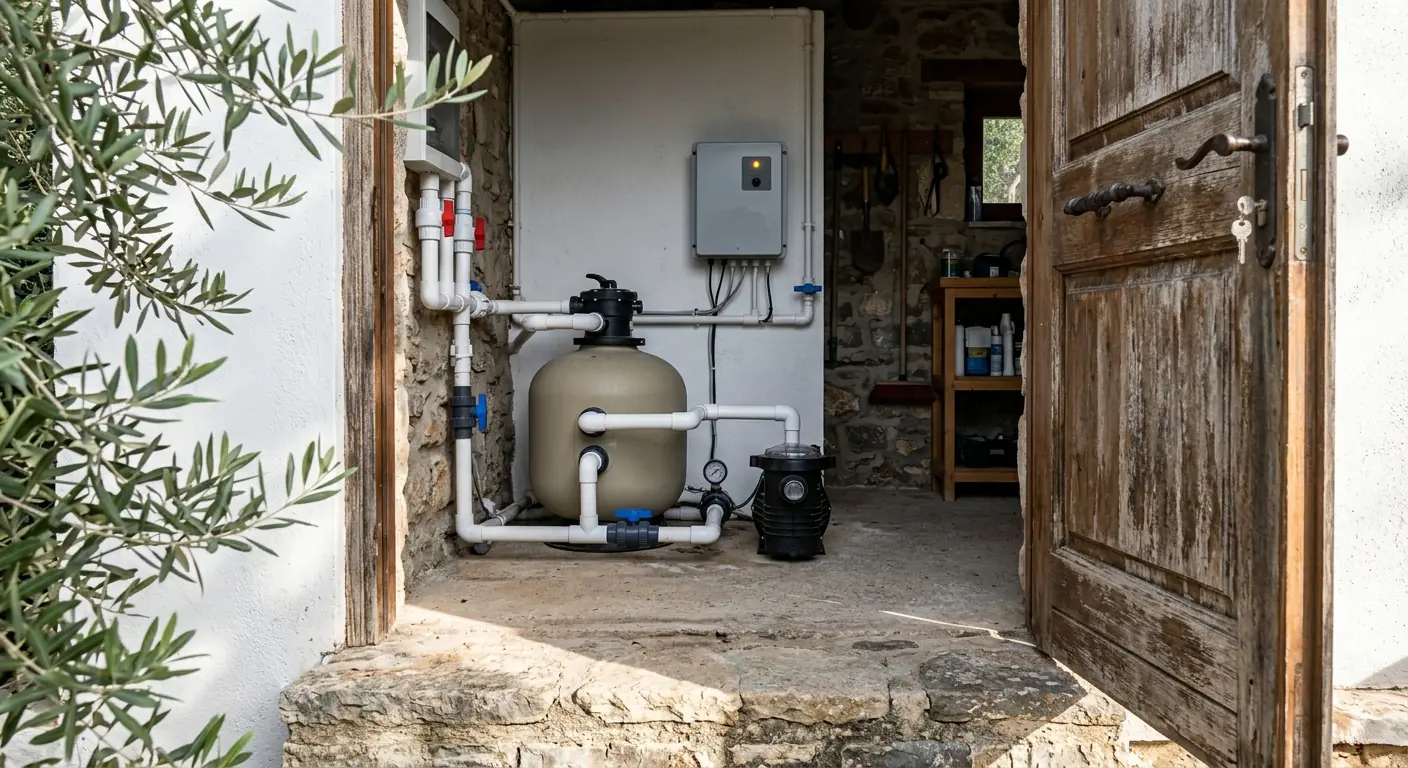
- Keep the plant room dry and ventilated to protect the electronics from salt air
- In rental homes, ask your pool maintenance service to log salt, pH and cell condition at each visit
Repair or replace?
Cleaning the cell, adjusting salt and pH, or fixing a flow problem are cheap and quick, so always start there. If the cell is old and output stays low after cleaning, replacing the cell is usually the sensible step. If the control unit has failed and the system is many years old, or spare parts are no longer available, a complete new salt chlorination system often makes more sense than repairing. When the pump and filter are also tired, it can be worth renewing the whole filtration and salt system at once.
Costs
These are typical ranges in Mallorca before IVA:
- Salt chlorinator diagnosis and cell cleaning: €90–250
- Replacement salt cell, fitted: €400–1,200
- New salt chlorination system: €900–2,500
- New filtration and salt system: €2,500–7,000
Getting quotes
If your salt chlorinator is still not working after the quick checks, you can describe the problem once on Mallorca Villa Experts and up to 3 vetted pool specialists in your area will quote you directly. It is free and without obligation, and you can compare a repair against a replacement before deciding.