Energy for a villa in Mallorca: what to know first
Plenty of sun, high electricity use
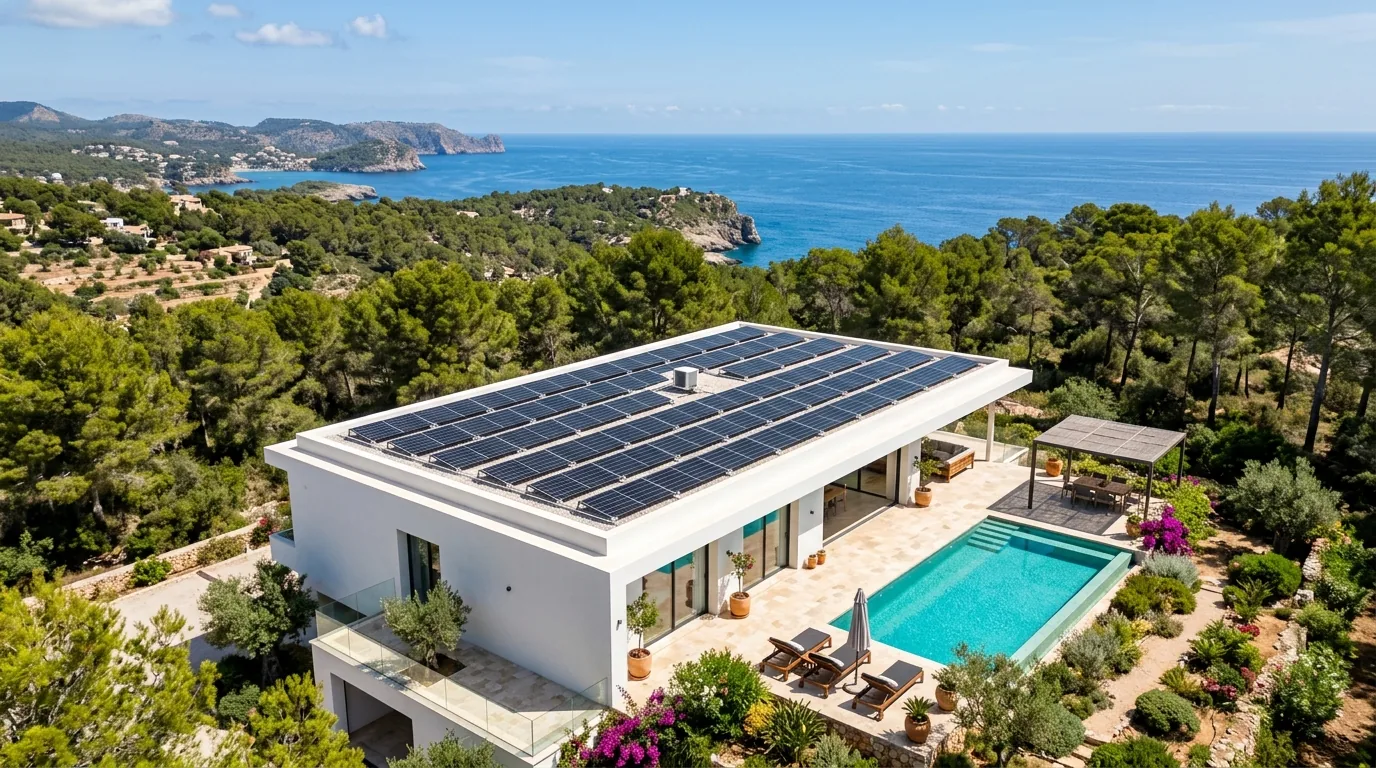
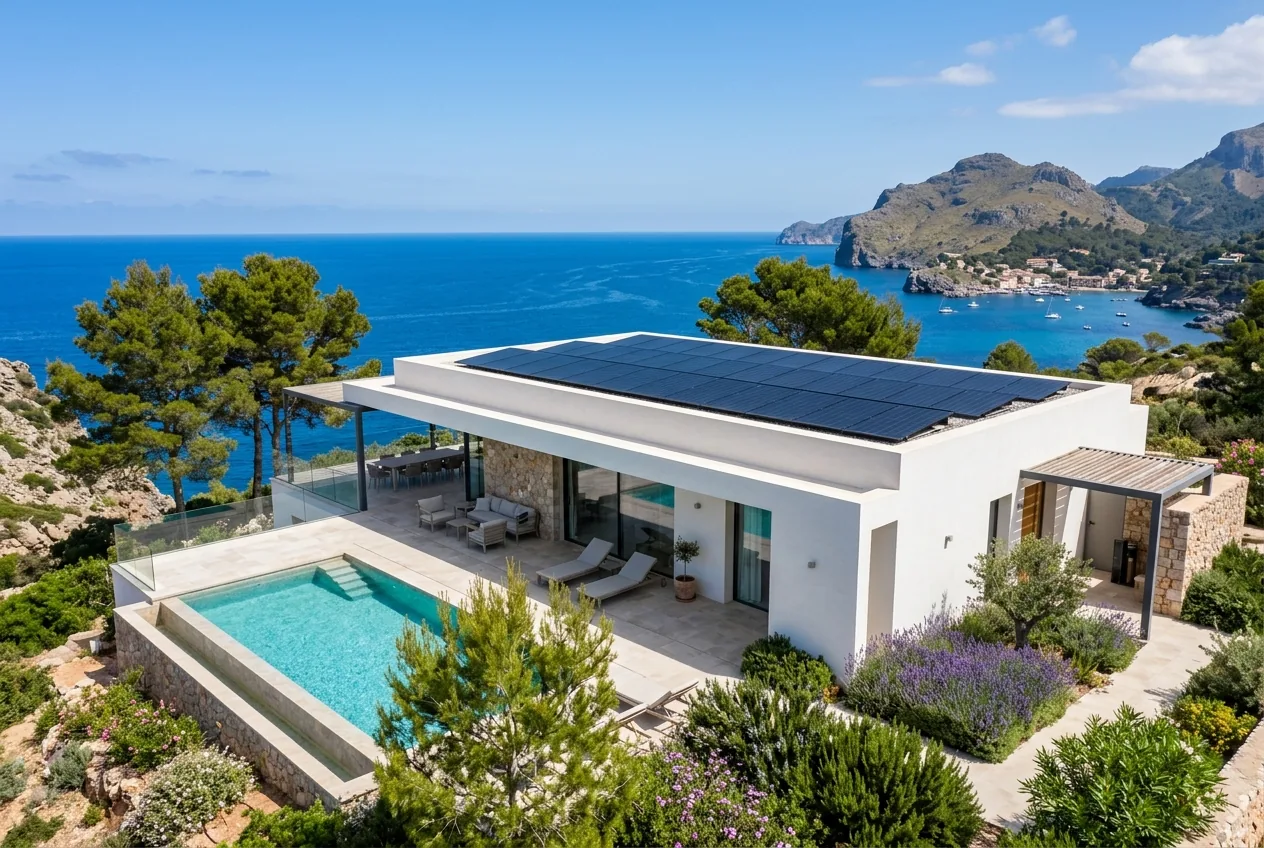
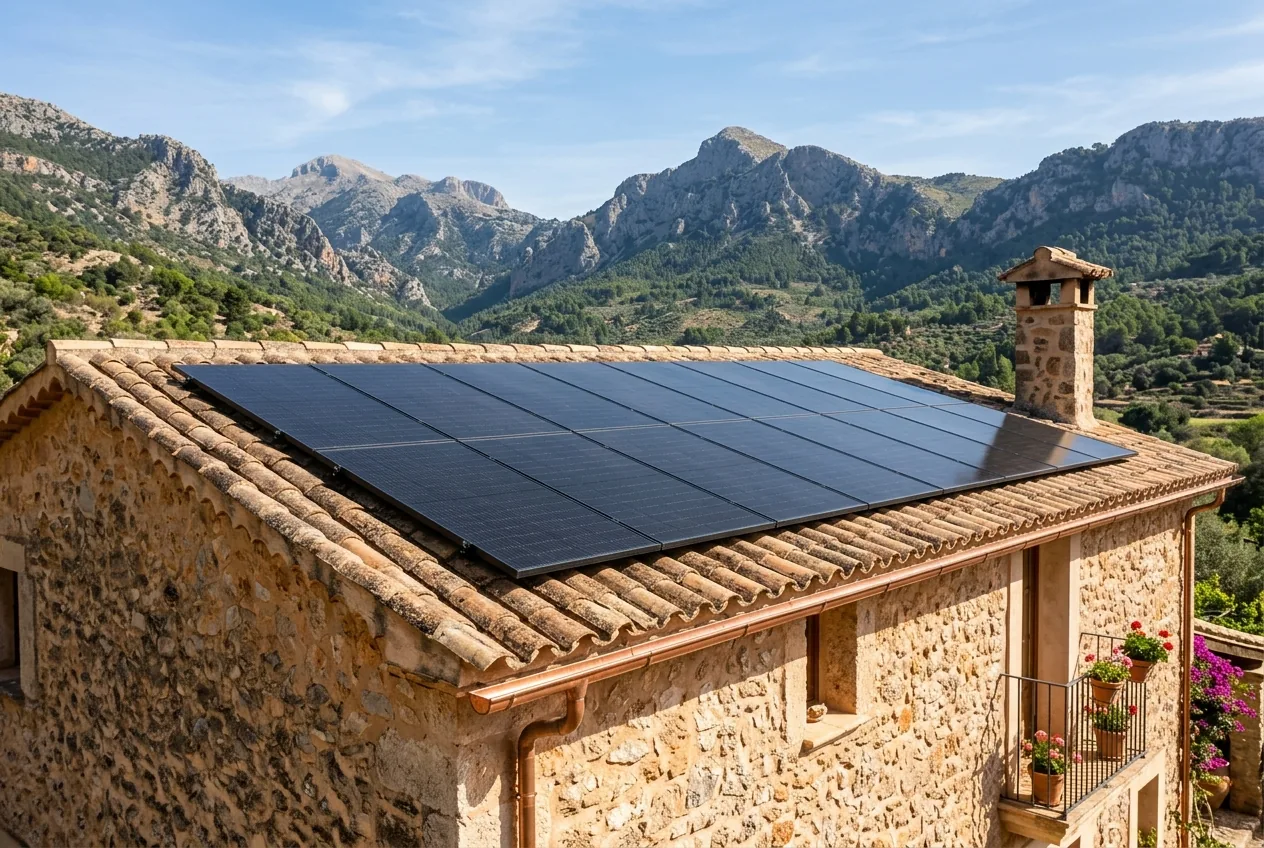
Mallorca gets around 2,800 hours of sunshine a year, and villas use a lot of power for pools, air conditioning and heating. That combination makes solar one of the best investments for a home on the island. A typical villa system of 5 to 12 kWp often pays for itself in well under ten years, faster if you use most of the power yourself.
Self-consumption and surplus
Spain allows homes to generate their own electricity and be compensated for surplus fed into the grid. Your installer registers the system and handles the connection. Batteries let you use more of your own power in the evening and can keep essentials running during a power cut, which helps in rural areas.
Permits and protected areas
Rooftop solar usually only needs a simple notification to the council, but rules differ by municipality. In protected areas, including much of the Serra de Tramuntana, visibility and materials can be restricted. Some councils offer reductions on property or building taxes for solar, so ask your installer what applies where you live.
Heat pumps for heating, cooling and water
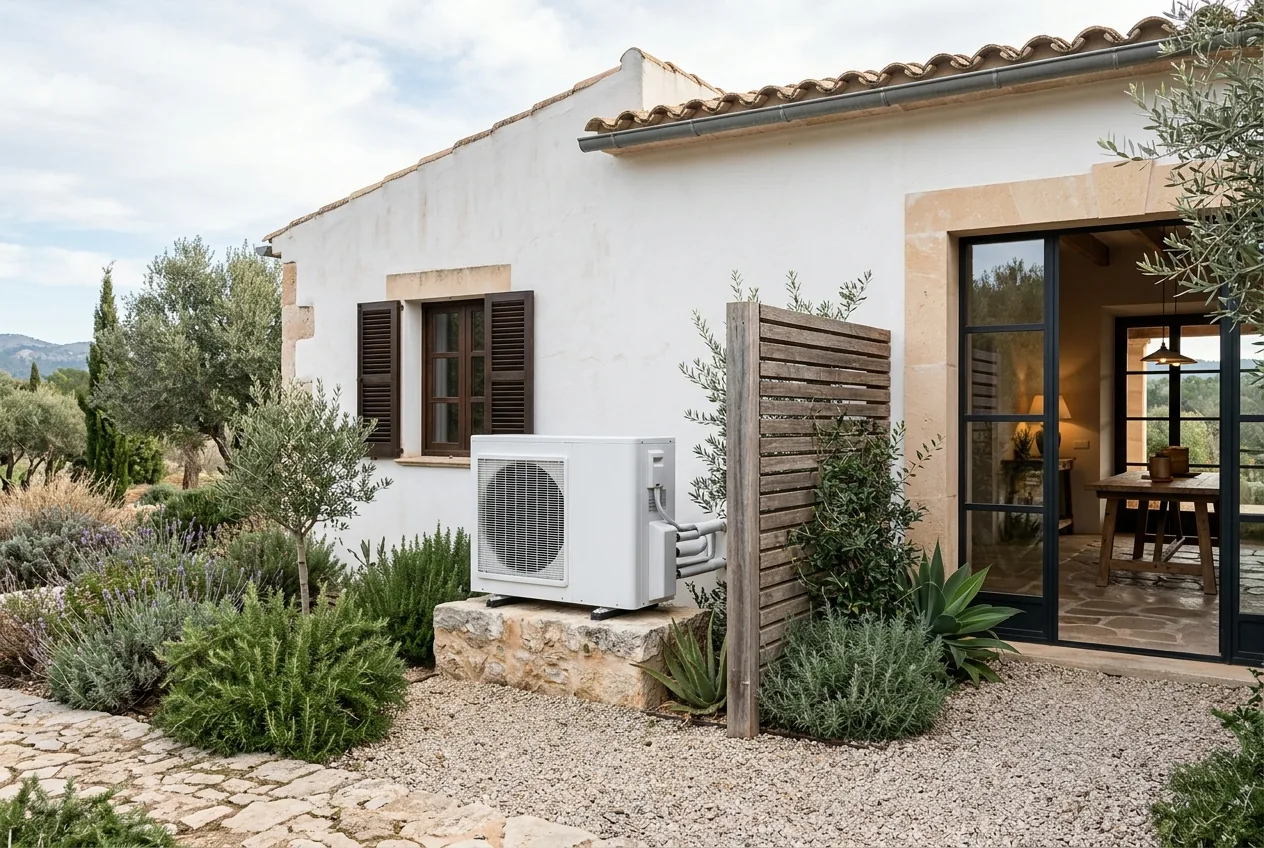
An air-to-water heat pump (aerotermia) heats the house, provides hot water and can heat the pool, all from electricity. It works best with underfloor heating or modern radiators and pairs naturally with solar panels. A good installer sizes it from the house, not from a rule of thumb.
Charging at home
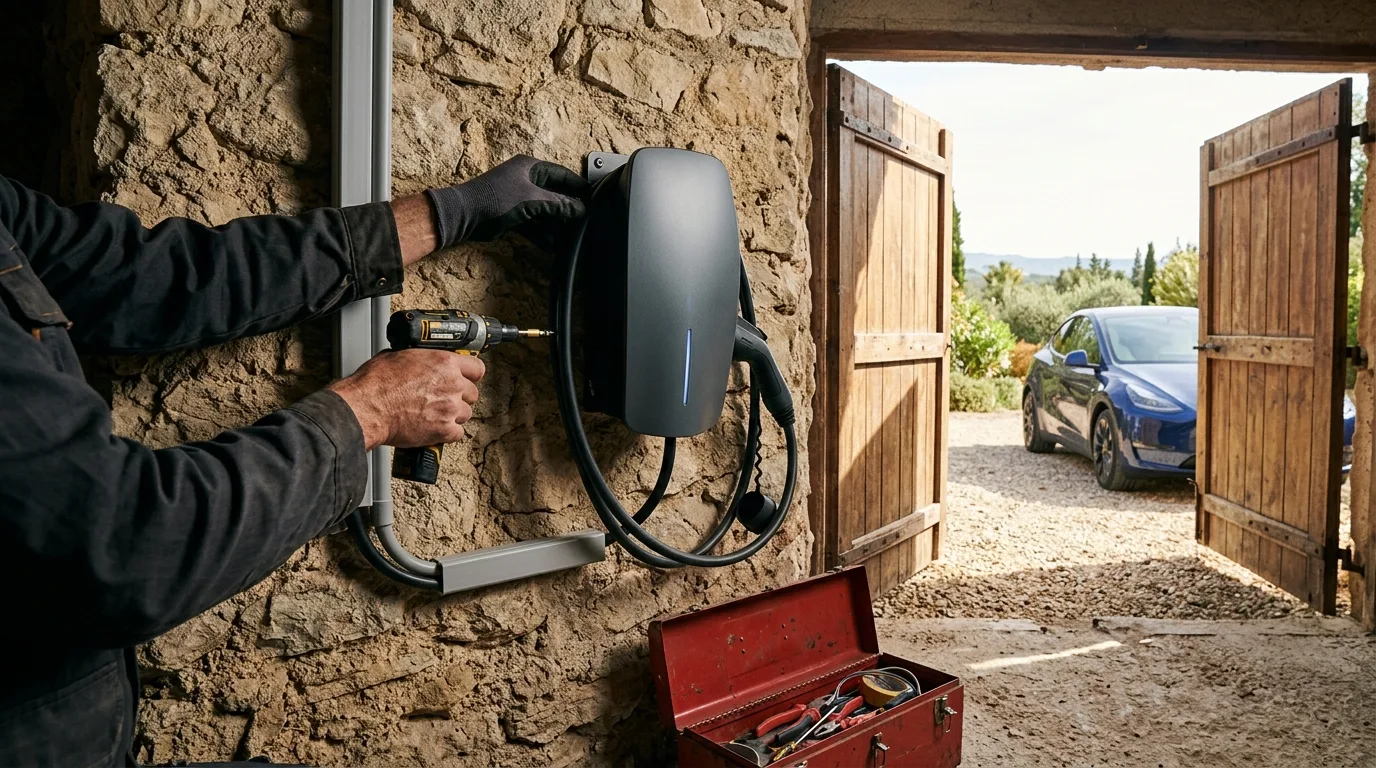
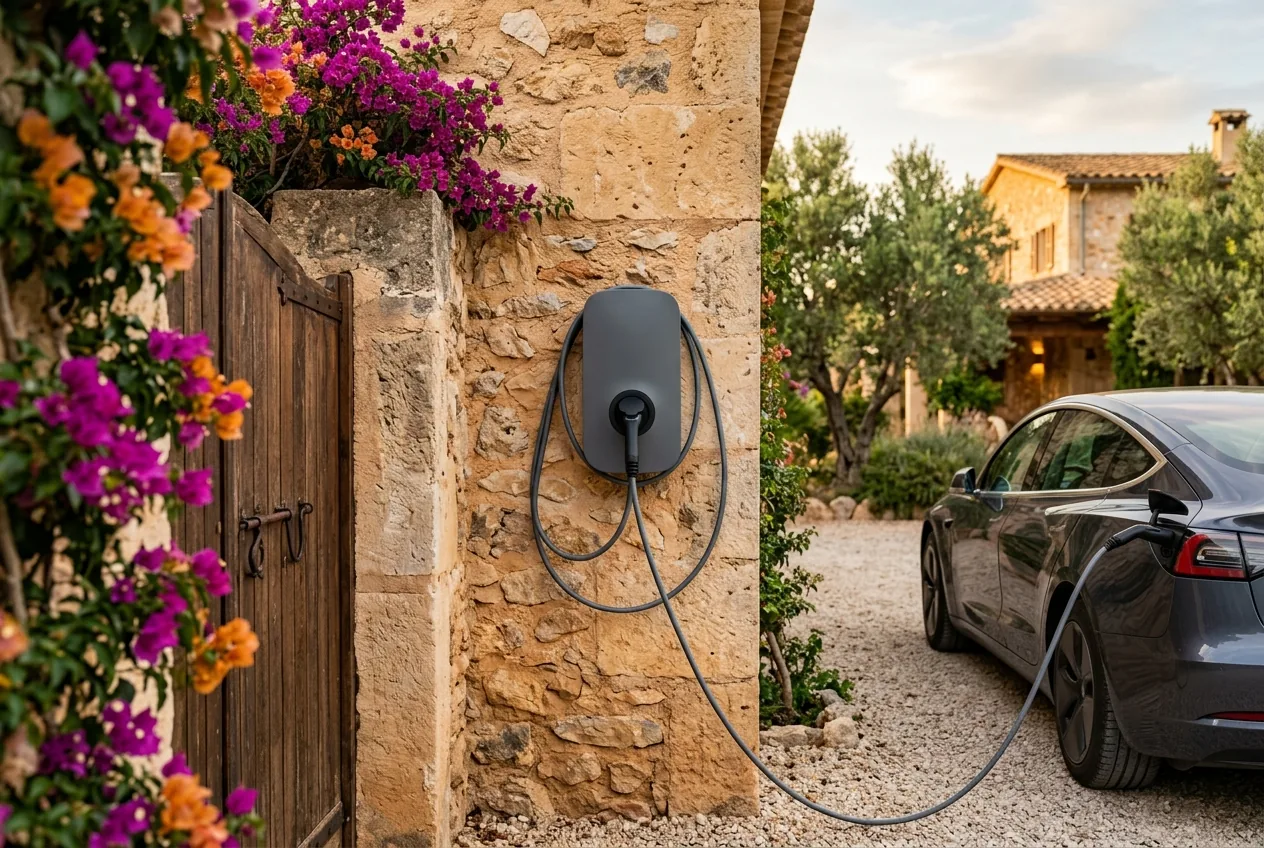
A 7 kW wallbox charges most cars overnight. Distance from the electrical panel is the main thing that changes the price. If you have solar, a smart charger can use surplus power during the day.
Batteries and backup power
Without a battery, most solar power is produced while you are out or at the beach. A battery of around 10 kWh stores the midday surplus for the evening, when air conditioning, cooking and pool pumps run. Systems with backup keep fridges, lights, routers and well pumps working during power cuts, which are more common on rural lines.
Solar for pools and air conditioning
Pool pumps and heat pumps run during the day, exactly when panels produce most. Scheduling them around solar output is one of the easiest ways to cut bills. If you plan a pool heat pump or air conditioning later, size the solar system for it now, as adding panels afterwards costs more.
Off-grid fincas
Many rural properties have a weak grid connection or none at all. A well-designed off-grid system combines panels, batteries and a backup generator, and can run a full household. It needs careful sizing for winter, when days are shorter, so choose an installer with off-grid experience.
How to compare quotes
Compare panel, inverter and battery brands, warranties, expected annual production and who handles the paperwork. A quote that shows an estimate of your savings is more useful than a price alone.